Bitnob
Advancing Africa’s Stablecoin Ecosystem: Bitnob Sponsors Nairobi Stablecoin Conference
Oluwaferanmi Famuyiwa
•5 min read
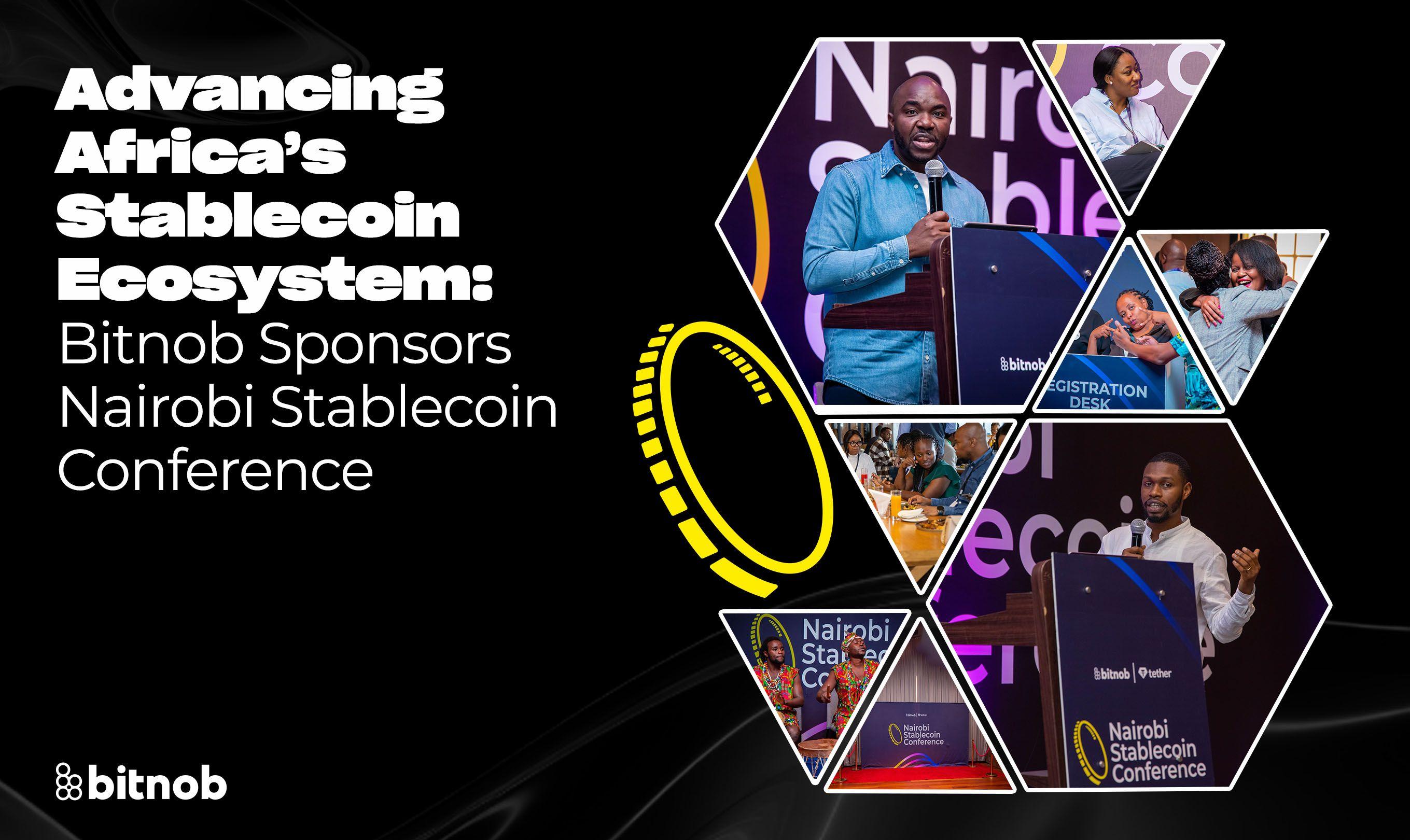
Bitnob powered the Nairobi Stablecoin Conference alongside Tether, convening C-suite leaders to discuss practical stablecoin implementation in Kenya
Stablecoins are no longer an experiment in Africa; they're now a key infrastructure. On February 13, 2025, Kenya's financial and technology leaders gathered at the Hyatt Regency Nairobi for the inaugural Nairobi Stablecoin Conference to address one question: How are stablecoins rewriting payments?
Bitnob sponsored the conference alongside Tether, bringing together C-suite leaders from banks, Fintech, payment companies, blockchain infrastructure providers, and public-sector stakeholders from Kenya and across the region for focused discussions on stablecoin adoption, regulation, and implementation in Kenya's financial system.
Why This Conference Mattered
Kenya is at a critical juncture where the Capital Markets Authority has created a regulatory framework for Virtual Asset Service Providers. Businesses and financial institutions are already using stablecoins for cross-border payments, value storage, and FX management. The Nairobi Stablecoin Conference brought decision-makers together to answer practical questions: How do banks and fintechs work with stablecoins operationally? What does VASP licensing mean in practice? Where do financial institutions generate revenue? How should Kenya sequence stablecoin adoption over the next 12-24 months? These were implementation roadmaps.
The Conference Day
Bitnob's COO, Adewale Osideinde, delivered the opening keynote, setting the context for why the Nairobi Stablecoin Conference needed to happen. The keynote framed stablecoins not as speculative assets but as financial infrastructure for domestic settlement, cross-border transactions, and institutional integration. For African businesses, this means faster payments, lower fees, and access to dollar liquidity without traditional banking delays.
Moving away from the opening keynote was a fireside chat moderated by Cynthia Oguchi, Head of Legal at Bitnob, on "Risk Management Trends in Stablecoin" alongside Philip Adiamah, Chainalysis Regional Manager for Africa.
The discussion covered compliance frameworks, transaction monitoring, and balancing innovation with regulatory requirements. For financial institutions evaluating stablecoin integration, understanding risk management isn't optional; it's foundational.
Executive-Level Conversations Across Multiple Sessions:
Perspectives of Stablecoins from Banks and Fintechs: C-suite leaders Moyo Sodipo (Co-Founder & COO, Busha), Edward Ndichu (CEO, WapiPay), Arnoud d'Yve de Bavay (Africa Expansion, Tether), Annstella Mumbi (General Manager Kenya, Tala), and Jason Masai (Head of Products, M-Pesa Africa) discussed different institutional incentives, risk appetites, and where collaboration actually works. Moderated by Samora Kariuki, Founder of Frontier Fintech.
Licensing VASPs in Kenya: James Hillary, Virtual Assets Compliance Specialist at the Capital Markets Authority, detailed the practical requirements, timeline, and regulatory expectations for obtaining a VASP license.
Local vs USD Stablecoins: Ogedegbe Uyoyo (Managing Director, CNGN), Dave Nandwa (CEO, Honeycoin), Gwera Kiwana (Global Expansion, Sling Money), and Daniel Kimotho (Partner Africa Growth, Celo Foundation) examined strategic trade-offs between Kenya Shilling-backed and USD stablecoins—treasury exposure, FX risk, and the tension between scale and monetary sovereignty. Moderated by Cynthia Wanjiku, CEO of Simple Innovations.
Revenue Models: Felix Macharia, CEO of Kotani Pay, presented how financial institutions actually make money with stablecoins—transaction fees, FX margins, liquidity income, and value-added services.
Regulation in Practice: Mabuti Mutua (Head of Regulatory Affairs & Licensing Africa, Tether), Kennedy Osore (Head of Public Affairs, Tala), Larry Cooke (Africa Head of Legal, Binance), and S. A Kakai (Director, Virtual Assets Chamber) discussed what VASP regulation means operationally. Moderated by Dr. Peter Onyango, Chairperson of the Virtual Assets Association of Kenya.
Tokenization of African Capital Markets: Jack Chong (CEO, Checker), Jean Kambuni (Deputy Director, Capital Markets, Nairobi International Financial Centre), and Radhika Bhachu (CEO, Ndovu Wealth) explored the intersection of stablecoins and securities and how tokenization could transform capital markets. Moderated by Tony Olendo, CEO of Vifi Labs.
Roadmap for Adoption: Duncan Muchangi (Global Head of Business Development, Fonbnk) and Isaac Wabuge (Head of Sales, YoguPay) mapped step-by-step adoption priorities for Kenya's financial system over the next few months in the final discussion.
During his session, our CEO and Co-founder, Bernard Parah, led a workshop on "Enterprise-Grade Stablecoin Infrastructure." Bernard walked through what businesses need to move onto stablecoin rails: API integration, compliance requirements, settlement processes, liquidity management, and how to interface between stablecoins and local banking systems.
Why Bitnob Sponsored This Conference
Bitnob no longer waits for traditional financial systems to serve African businesses; we build the infrastructure that makes stablecoin payments work today. Our sponsorship of the Nairobi Stablecoin Conference reflected the mission to convene regulators, financial institutions, and technology companies to chart the practical path for stablecoin adoption in Kenya.
Stablecoin infrastructure requires collaboration between payment infrastructure providers, financial institutions, regulators, and technology companies, and every session reinforced that when African businesses have access to the right payment infrastructure, they compete globally.
Kenya represents a critical market for stablecoin adoption in Africa, with an existing regulatory framework and market demand. What's now needed is financial institutions understanding how to participate, businesses knowing how to integrate, and other infrastructure providers building on the existing rails Bitnob already provides.
What's Next?
The Nairobi Stablecoin Conference made clear that Kenya is moving from conversation to implementation. For Bitnob, this is exactly the environment where our infrastructure adds value. Our APIs enable businesses to integrate stablecoin payments without managing blockchain complexity. Our platform lets companies send and receive USDT while settling in local currency. Our infrastructure bridges the gap between crypto rails and traditional banking systems.
Kenya's stablecoin ecosystem is being built right now. The Nairobi Stablecoin Conference brought the key players together to map the path forward, and Bitnob is committed to providing the infrastructure that makes it possible.
Businesses ready to explore stablecoin payments should visit bitnob.com or check out our API documentation.